
When your septic system acts up, it can be a headache. But before you make that emergency call for septic pumping, it helps to be prepared. The more information you can give the emergency septic pumping technician, the quicker they can diagnose the issue and get to work. This prep can save you time, stress, and maybe even a little money.

Let’s break it down. What do you need to do before picking up the phone?
1. Know the Basics of Your Septic System
If you don’t already, it’s time to familiarize yourself with your septic system. Yes, it’s one of those adult things that you might not care about until it’s an emergency. But knowing where your septic tank is located, the size of your system, and its age can make a big difference when you’re talking to a professional.
Most systems have a tank and a drain field. The tank holds waste, and the drain field helps treat the wastewater. If you’ve never had your tank pumped or serviced before, it’s worth checking how often it should be done. The general rule of thumb is every 3-5 years, but your situation could be different based on the size of your system, the number of people in your household, or the type of waste your system handles.
2. Check for Common Signs of Trouble
Before calling, look for signs that your septic system might be in trouble. These can be your clues, so you know exactly what you’re dealing with.
Slow Drains: If your toilets, sinks, and showers are draining slower than usual, it might be a clog in the system.
Unpleasant Odors: If you’re smelling something funky around your yard or near the septic tank, it could be a sign the tank is full or there’s an issue with the drain field.
Water Pooling: If you see puddles of water around the septic tank or drain field, it could indicate that the tank is too full, or there’s a blockage.
Sewage Backups: The worst-case scenario — sewage backing up into your home is a surefire sign something’s wrong.
If you’re noticing any of these symptoms, it’s time to make that call. But don’t panic. Your septic system might just need a quick pump.
3. Gather the Information the Technician Needs
When you call a professional for emergency septic pumping, they’ll need as much information as you can provide. The more details you give them, the more likely they can diagnose the problem on the first visit.
Tank Location: Know where your septic tank is located. It’s usually buried, and some companies may need a map or an idea of where to dig. If you’re unsure, you may need to dig a little bit to locate the tank.
Size of the System: Larger systems require more time to pump and may be a bit more expensive to service. If you don’t know your tank size, now’s a good time to ask your plumber or check any original paperwork.
Last Service Date: If you’ve had septic pumping done before, be prepared to tell the technician when it was last serviced. This can help them understand the state of your system.
Signs of Trouble: Let the technician know exactly what’s been happening, including any slow drains, odors, or backups.
When you give them the full picture, it helps them bring the right tools and equipment, saving time.
4. Clear the Area Around the Tank
Most septic tanks are buried in the yard, so the technician will need easy access to them. Before they arrive, clear any debris, grass, or obstacles around the tank. If there are trees or bushes near the tank, let the technician know. These can be tricky to navigate, and they might need extra time to work around them.
If you’re unsure where the tank is, look for a manhole cover in your yard. It’s usually a round, concrete lid that gives the technician access to the tank. You may also have an access riser that brings the lid closer to the ground surface.
5. Be Ready to Pay for Emergency Services
Emergency services tend to cost a bit more than scheduled ones. That’s the price you pay for fast service. It’s a good idea to have a rough idea of the cost before making the call.
Prices can vary based on location, the size of your system, and whether you’re getting a regular or emergency service. Check with local septic pumping companies to get an estimate for emergency pumping, so you’re not hit with sticker shock when the technician arrives.
6. Don’t Flush Anything You Shouldn’t
It might seem like common sense, but if you’ve got a septic issue, now’s the time to be especially careful about what goes down your drains. Avoid flushing anything other than toilet paper and human waste.
Don’t flush baby wipes, feminine products, or anything else that’s not meant to be in the septic system. These items can cause clogs and worsen your septic system’s condition, turning a minor issue into a major one.
7. Keep Kids and Pets Away
Septic pumping isn’t a dangerous job, but it’s best to keep pets and children away from the area. The technician will need to work around the tank, and you don’t want anyone wandering into the way.
If you can, have the kids and pets stay inside while the work is being done. It’ll make everything go more smoothly, and everyone will be safer.
8. Think About Future Maintenance
When your septic tank is pumped, it’s a good time to think ahead. Many homeowners don’t realize that regular maintenance can prevent emergency situations in the first place. After your emergency pumping, ask the technician about setting up a regular maintenance schedule.
Regular pumping, inspections, and drain field care can save you money in the long run by preventing bigger problems down the road.
9. Stay Calm and Patient
Emergencies are stressful, and septic problems are no exception. However, staying calm will help you handle the situation more efficiently. Remember, this is a job that professionals do every day. They’ve seen it all and are well-equipped to fix the issue.
When you’re working with a septic pumping company, communicate clearly and patiently. They’re there to help, and a calm, clear discussion can make everything go smoother.
10. Ask Questions if You’re Unsure
Lastly, don’t be afraid to ask questions. If you’re not sure why something’s happening with your system, or if you don’t understand what the technician is doing, ask. A reputable company will be happy to explain things to you and make sure you feel comfortable.
You’re investing in your home’s septic system, and you should understand the work that’s being done. It’s also a good idea to ask for tips on how to prevent future issues.
11. Be Prepared for Possible Repairs
Sometimes septic pumping isn’t enough. If the system is damaged or clogged beyond just needing a pump, you may need additional repairs. Be ready for the possibility that the technician may find more serious issues.
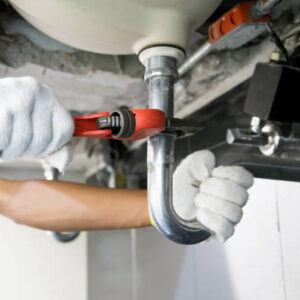
A pump-out is a quick fix, but it doesn’t always solve every problem. In some cases, parts of the septic system, like the pipes or the drain field, might need attention.
Septic pumping can be an emergency, but it doesn’t have to be chaotic. If you prepare by understanding your system, checking for signs of trouble, gathering the right info, and keeping things clear for the technician, you can make the process a whole lot smoother. And in the end, the quicker you get help, the sooner your system will be back to normal.
So, the next time you have a septic emergency on your hands, take a deep breath, and follow these steps. It’s the best way to make the most of an unpleasant situation.